

In the current fast-paced commercial environment, the prosperity of any enterprise hinges on its capability to establish and sustain strong partnerships with its clients. As competition grows, organizations are seeking creative strategies to gain an edge and deliver exceptional assistance. This is where CRM platforms comes into play, revolutionizing the manner businesses connect with their customers and handle their connections. By leveraging sophisticated tools, businesses can streamline their operations and gain understanding that fuel growth and enhance client happiness.
CRM systems delivers a multitude of gains, empowering organizations to record engagements, assess client information, and customize their advertising approaches accordingly. With a unified solution for managing patron information, businesses can answer to questions more efficiently and individualize communications to fulfill the distinct needs of their clients. This not only encourages commitment but also empowers staff to work collaboratively, guaranteeing that every staff member is on the same wavelength when it comes to grasping client likings and profiles. In essence, CRM systems serves as a vital tool for navigating the intricacies of customer relationship and gaining a long-term advantage.
Advantages of Customer Relationship Management Software
CRM software streamlines customer interactions, allowing businesses to handle relationships much proficiently. By gathering client data in one place, teams can obtain important information easily, resulting in better dialogue and cooperation. This integration enables tailored marketing strategies, ensuring that customers receive relevant messages and offers based on their interests and behaviors.
Another significant advantage of CRM software is its ability to enhance customer service. With immediate access to customer records and previous communications, service teams can fix issues more quickly and with higher correctness. This responsiveness cultivates client loyalty and satisfaction, leading to long-term relationships and greater customer retention. Finally, offering outstanding service can distinguish a business from its peers.
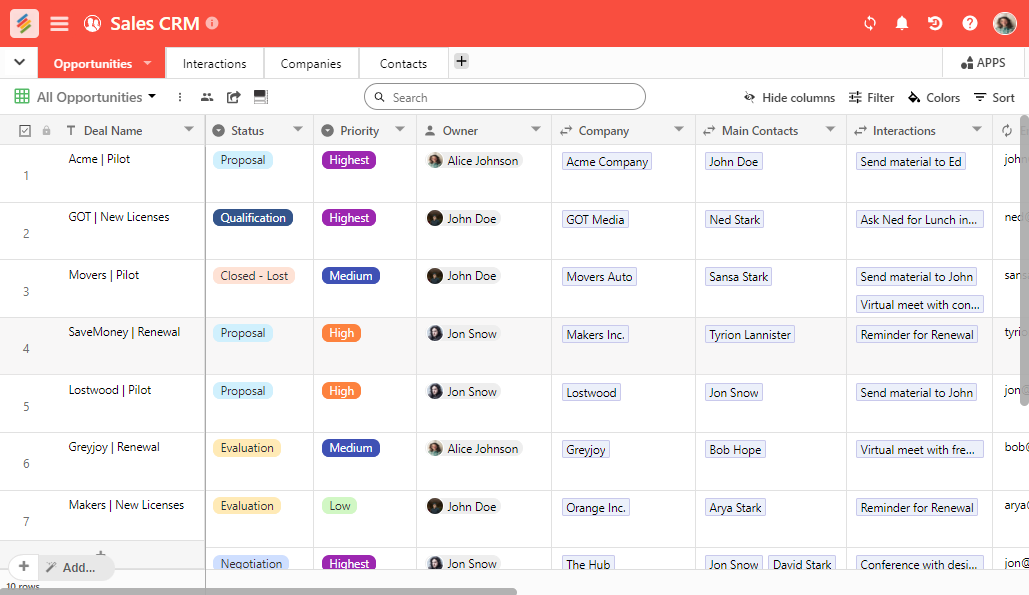
Lastly, CRM systems provides robust analytics that assist in measuring sales performance and customer trends. By examining this analytics, businesses can spot opportunities for growth and make educated decisions about resource allocation and strategic planning. These findings enable teams to develop tailored marketing campaigns, finalize agreements with greater success, and boost overall efficiency, offering them a decisive advantage in the business landscape.
Key Features to Look For
When selecting CRM tools, it's important the consideration its user-friendly interface. An easy-to-use design allows every team members to adapt quickly, reducing the learning curve. A organized dashboard provides easy access to customer information and analytics, enabling your team to work effectively and focus on building relationships instead of dealing with complicated software.
One more critical feature to consider is automation capabilities. A strong CRM can automate repetitive tasks such as data entry, follow-ups, and marketing campaigns. Automation not only saves time but also guarantees consistency in customer interactions, helping you engage with prospects and clients in a prompt and tailored manner. crm software of efficiency contributes to improved productivity across sales and marketing teams.
Moreover, integration with other business tools is crucial for a efficient workflow. Your CRM should efficiently connect with platforms like email marketing services, project management tools, and e-commerce systems. This integration promotes smooth data sharing and a comprehensive view of customer interactions, enabling your business to create a comprehensive strategy that aligns sales efforts with marketing initiatives.
Implementing CRM for Maximum Impact
To amplify the effect of Customer Relationship Management solutions, organizations should begin by articulating clear objectives tailored to their particular needs. This requires pinpointing pain points within current customer interactions and matching CRM functions with organizational objectives. A well-thought-out approach guides the selection of functionalities that will provide the greatest benefit, whether it's improving customer communication, optimizing processes, or delivering deeper insights into consumer actions.
Education is another critical component in maximizing Customer Relationship Management software effectively. Employees must be armed with the expertise and resources to operationalize the platform fully. This can involve hands-on seminars, extensive guides, and regular assistance to encourage adoption among employees. Empowering the staff makes certain that everyone is committed and can engage in accruing and interpreting customer data, thereby enhancing more informed choices.
Consistently reviewing and optimizing CRM application is necessary for sustained success. Organizations should establish channels for feedback to gauge user experience and uncover gaps in performance. By examining Customer Relationship Management information and tweaking operations in response, businesses can become flexible and reactive to customer needs, confirming that the system stays to deliver a superiority in a fast-evolving market.